Focused arrival windows
Useful updates and clear arrival timing.

Flat Roofing in Freeport means a low-slope roof system that sheds water, handles coastal wind, and lasts decades when it is installed correctly. We install, repair, and replace flat roofs for homeowners and commercial property owners across Freeport and Nassau County. If your flat roof is ponding, blistering, or leaking, we will find the cause and give you a straight answer on repair versus replacement.
Useful updates and clear arrival timing.
Review the approach and price before deciding.
Equipped vehicles and respectful cleanup.
Neighbors serving neighbors with follow-through.
Every flat roof job is different, but most installations and replacements include the same core work. Here is what you get when you hire us for flat roofing services Freeport projects.
We inspect the membrane, flashing, drains, and deck before we quote the job. You get photos and a written report so you can see exactly what we see.
We remove the old roof down to the deck, haul away all debris, and dispose of it properly. If the deck is damaged, we replace the bad sections before installing the new roof.
We install TPO, EPDM, PVC, or modified bitumen membrane to manufacturer specs. Every seam is sealed, every penetration is flashed, and the system is built to drain properly.
Flashing failure is the number one cause of flat roof leaks. We install new flashing at walls, curbs, drains, and edges, sealed with roofing sealant and ice and water shield where needed.
We make sure water flows off the roof. That means checking the pitch, clearing or installing drains, and adding scuppers if the roof needs them. No ponding water means no premature failure.
You get the manufacturer warranty and our workmanship warranty. We walk the roof with you, show you the finished work, and explain how to maintain it so you get the full lifespan.
Share what is happening and receive a clear next step from the local team.
Flat Roofing in Freeport is the installation, repair, or replacement of low-slope roof systems on homes, garages, additions, and commercial buildings. A flat roof is not truly flat. It is built with a slight pitch, usually a quarter-inch per foot, so water moves toward drains or scuppers instead of sitting on the surface. The layers matter: a deck, a cover board, an insulation layer, and a membrane on top. The membrane is what keeps water out, and it is usually TPO, EPDM, PVC, or modified bitumen. Every seam, flashing detail, and drain edge has to be sealed correctly or the whole system fails early.
Freeport sits on the South Shore, so flat roofs here deal with salt air, nor'easters, and freeze-thaw cycles that push water into tiny gaps. We see a lot of ponding water on flat roofs after heavy rain, plus blistering on older modified bitumen systems that have baked in the sun for 15 or 20 years. If you are searching for flat roofing near me Freeport, the real question is whether your current roof can be repaired or needs a full replacement. We inspect the membrane, check the flashing, look at the deck, and tell you which one makes sense.
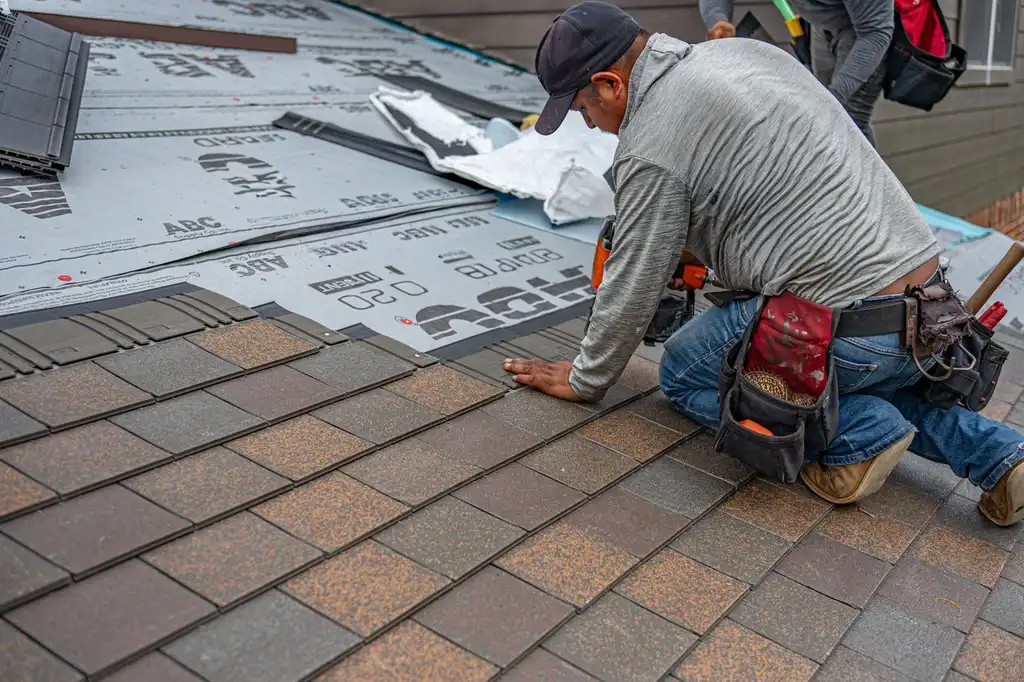
We walk the roof, check the membrane, look for ponding water, and inspect the flashing and drains. If there is a leak, we trace it to the source. You get a written estimate with the scope, materials, and timeline. Most inspections take 30 to 45 minutes, and the estimate is same-day.
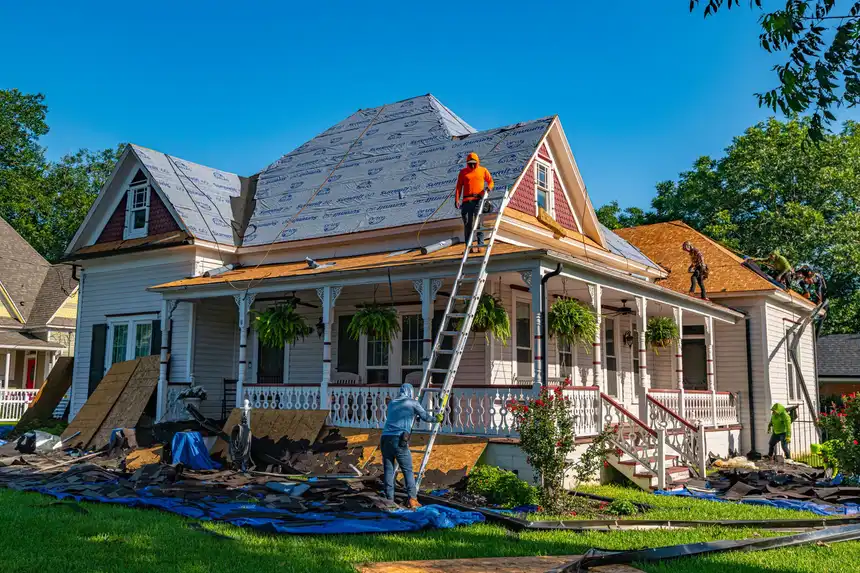
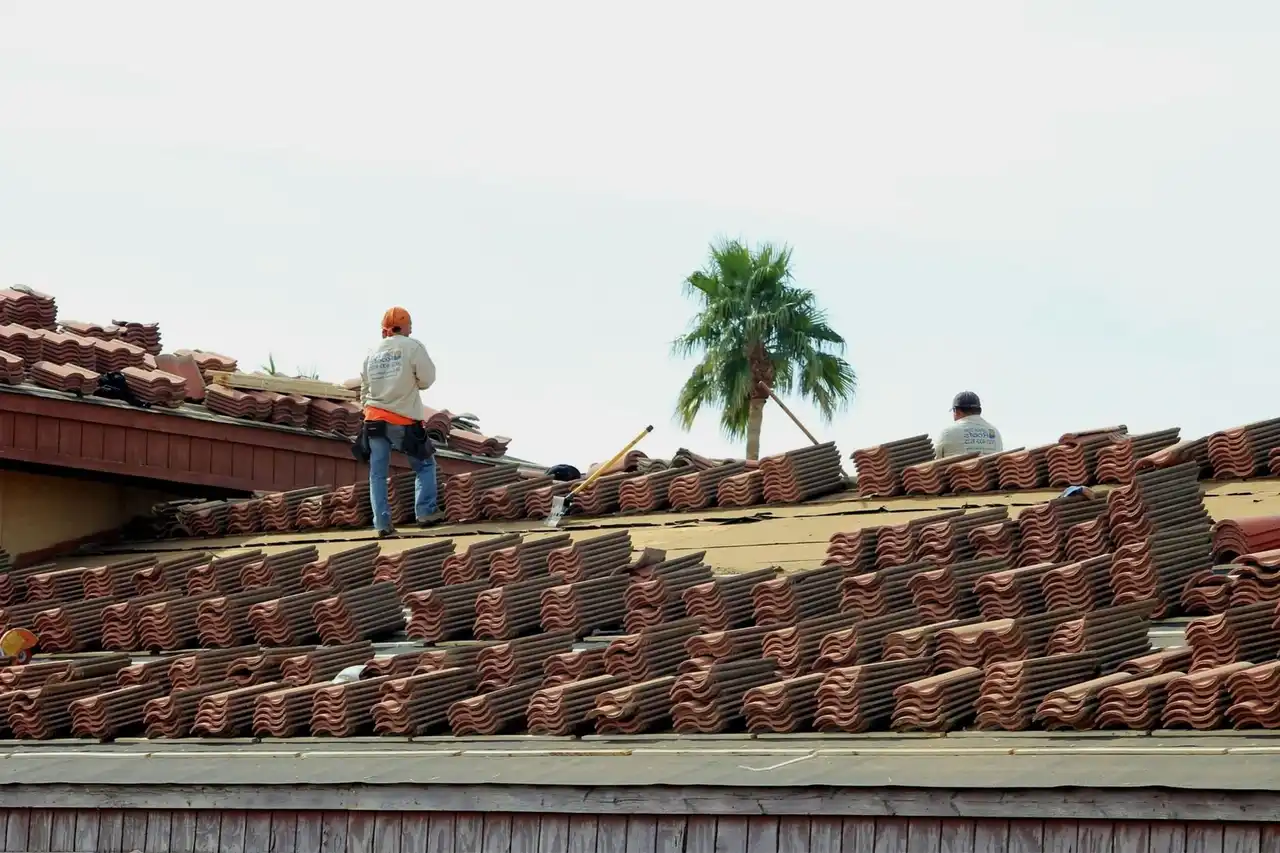
If the existing roof is failing, we tear it off down to the deck. If the deck is sound and the old membrane is stable, we may recommend an overlay to save money. We remove all old material, check for rotting decking, and replace any soft spots before we go further.
We install a cover board and insulation layer to meet current energy codes. This is where ice and water shield goes down on the edges and around penetrations. A flat roof installation Freeport NY project usually adds R-30 insulation or better, depending on the building.
We roll out the TPO membrane, EPDM membrane, or modified bitumen and seal every seam. TPO and PVC get hot-air welded; EPDM gets adhesive and seam roller work. We use a roofing nail gun, chalk line, and utility knife to keep cuts clean. Flashing goes on last, sealed with roofing sealant.
We flood-test the drains, check every seam, and make sure water flows off the roof. Then we clean up the site, haul away old material, and walk you through the finished work. You get the manufacturer warranty paperwork and our workmanship warranty before we leave.
Fastens cover board and insulation to the deck. Speeds up installation and ensures consistent fastener depth.
Presses seams on EPDM membrane to create a watertight bond. Critical for long-term performance.
Powers pneumatic tools and hot-air welders for TPO and PVC membrane seams.
Marks straight lines for membrane layout and flashing alignment. Keeps the installation clean and precise.
Cuts membrane, insulation, and flashing to exact dimensions. Sharp blades mean clean edges and better seals.
Keeps our crew safe on low-slope roofs. We use harnesses and ladder stabilizers on every job.
Removes old flashing, edge metal, and fasteners during tear-off. Lets us inspect the deck underneath.
We weld TPO and PVC membrane seams with hot air to create a monolithic bond. This is the manufacturer-approved method and it produces seams stronger than the membrane itself.
EPDM membrane is bonded with contact adhesive and rolled with a seam roller. We follow the manufacturer's overlap and pressure specs so the seam holds for decades.
When a roof ponds water, we install tapered insulation to create slope toward drains. This solves the problem at the source instead of relying on patches.
We replace flashing at walls, curbs, pipes, and drains. Flashing failure is the leading cause of flat roof leaks, so we do not cut corners here.
We install every system to GAF, Firestone, Carlisle SynTec, or Versico specifications. That is what keeps the warranty valid and the roof performing.
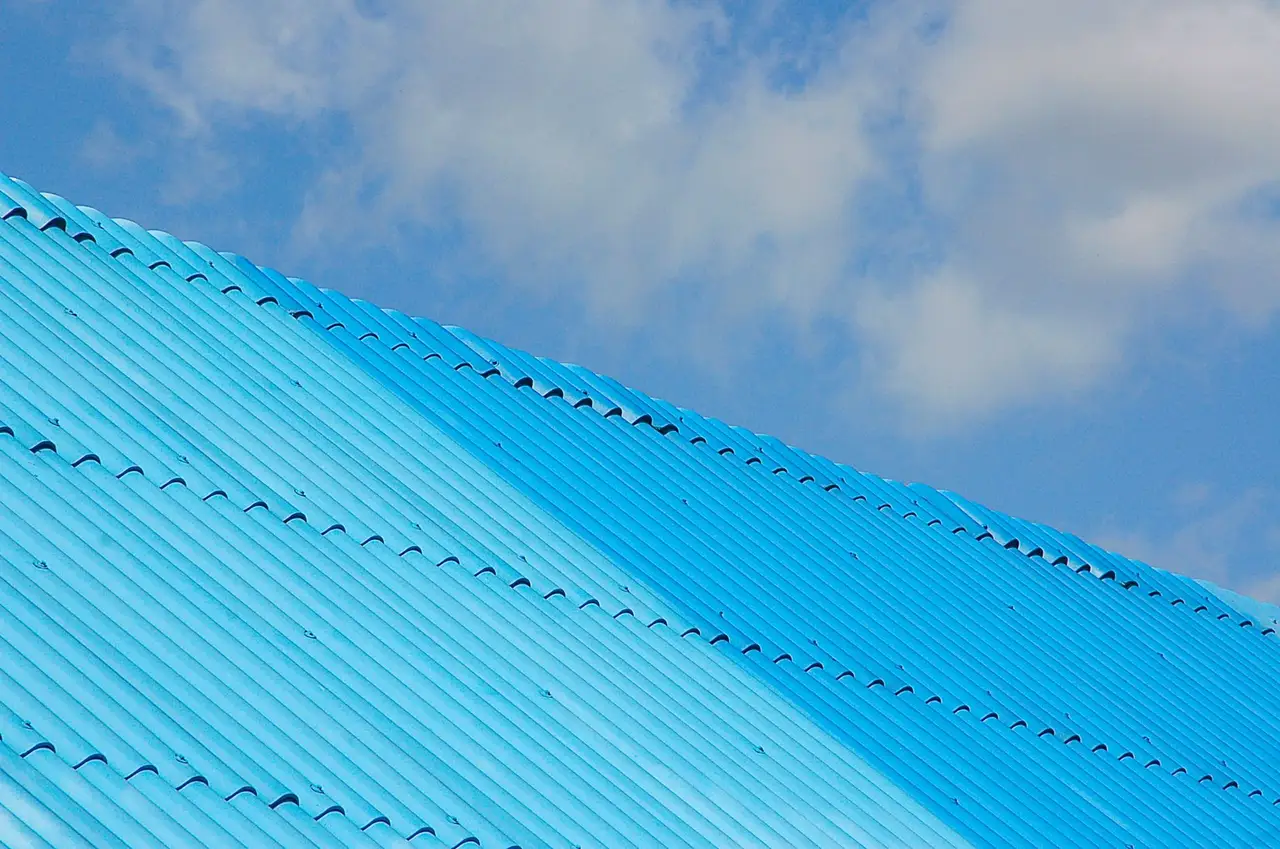
We inspect the membrane, deck, and drainage. If the roof is at the end of its life, we install a new TPO or EPDM system with proper slope and insulation. If it can be repaired, we tell you that instead. You get a watertight roof that lasts another 20 to 30 years, with a warranty that covers the full system.
We inspect the roof, document the condition with photos, and give you a written report with repair or replacement costs. You know exactly what you are buying. You can negotiate with confidence or budget for the work before you close. No surprises after you move in.
We tarp the roof the same day to stop water intrusion. Then we document the damage for your insurance claim and schedule permanent repairs within 48 hours. Your property is protected, your claim is documented, and the roof is restored to pre-storm condition.
We inspect the roof, identify the source of the leaks, and complete repairs around your business hours. If replacement is needed, we phase the work to minimize disruption. Tenants stop complaining, your building stays dry, and you avoid emergency repair costs down the road.
Freeport's climate is hard on flat roofs. Salt air corrodes metal flashing and fasteners. Nor'easters drive rain sideways into seams. Freeze-thaw cycles in January and February open small cracks and push water into the system. We install TPO and EPDM membranes that resist UV and salt, and we use corrosion-resistant fasteners and flashing. The building stock matters too. Many Freeport homes have rear additions and garages with flat roofs that were installed decades ago. We know how to work with those structures and bring them up to current code. If you need flat roof repair Freeport New York, we can usually get to you within 48 hours. We also handle permits through the Village of Freeport and Nassau County so you do not have to.
Older homes with flat roof additions and garages. Many need updated drainage and flashing.
Coastal properties with salt air exposure. We use corrosion-resistant materials here.
Waterfront homes that take the brunt of nor'easters. Flat roofs here need extra wind uplift protection.
Mix of residential and commercial buildings. Flat roofs on retail and office buildings need traffic-rated membranes.
Standard metal flashing rusts through in 5 to 7 years near the water. We use coated or stainless fasteners and aluminum flashing to extend life.
Wind-driven rain finds weak seams and flashing gaps. We seal every penetration and use wind-rated membrane attachment.
Water gets into small cracks, freezes, and expands. This opens seams and causes blistering. Proper drainage and sealed seams prevent it.
UV breaks down modified bitumen and causes blistering. Reflective TPO membrane reflects sunlight and lasts longer in full sun.
A 20-year-old modified bitumen roof on a detached garage was blistering and leaking. The homeowner had patched it three times with roofing sealant, but water kept coming in. The deck had soft spots near the edge.
We tore off the old roof, replaced two sheets of rotting decking, and installed a new TPO membrane system with new flashing and edge metal. The leak stopped immediately and the roof is now under a 20-year manufacturer warranty.
Maintenance: Keep the drains clear and inspect the seams every spring. A TPO roof needs very little maintenance beyond that.
A retail building had ponding water after every storm. The roof was only 8 years old but the drains were undersized and the pitch was wrong. Tenants were complaining about leaks near the back wall.
We installed tapered insulation to create proper slope, added two new drains, and replaced the flashing at the back wall. The ponding stopped and the leaks went away. The repair cost less than half of a full replacement.
Maintenance: We set up an annual maintenance visit to clear the drains and check the seams before winter.
A nor'easter lifted the edge metal on a flat roof and drove rain into the addition. The ceiling was stained and the homeowner was worried about mold. The insurance adjuster needed documentation fast.
We tarped the roof the same day, documented the damage with photos, and completed the repair within 48 hours. We replaced the edge metal, resealed the flashing, and matched the existing membrane. The insurance claim was approved without issue.
Maintenance: Check the edge metal and flashing after every major storm. If you see lifting or gaps, call us before the next rain.
Flat roofs fail in predictable ways. Here are the most common problems we see and how we fix them.
Standing water breaks down the membrane, adds weight to the structure, and finds its way into seams. Over time, it causes leaks and shortens the roof's life by years. We check the pitch and drainage, clear or install new drains, and add scuppers if needed. If the ponding is severe, we may recommend a tapered insulation system to create proper slope. Most ponding issues are solved with better drainage, not a full replacement.
Water gets behind the flashing and rots the deck and walls. By the time you see a stain on the ceiling, the damage has been spreading for weeks or months. We remove the old flashing, inspect the deck, and install new flashing sealed with roofing sealant. We also check the ice and water shield around the edges. If the deck is rotted, we replace it before closing up the roof.
Blisters trap moisture and crack open, letting water into the system. Once the membrane is compromised, repairs become temporary fixes instead of long-term solutions. We assess whether the blisters are isolated or widespread. Small areas can be cut out and patched. If the whole roof is blistering, replacement with TPO or EPDM is usually the better investment.
When gutters back up, water sits on the roof edge and works its way under the membrane. It also causes fascia rot and can damage the foundation. We clear the gutters and downspouts, check the roof edge for damage, and repair any membrane that has lifted. We also show you how to keep them clear so the problem does not come back.
We have been installing and repairing flat roofs since 2005. That is 21 years of working on South Shore homes, commercial buildings, and everything in between. Our crews are trained on GAF, Firestone, Carlisle SynTec, and Versico systems, and we hold manufacturer certifications that let us offer full-system warranties. We are an NRCA member and carry OSHA 10 and OSHA 30 certifications. When we tell you a roof can be repaired instead of replaced, you can trust that answer because we have seen the same failure patterns hundreds of times.
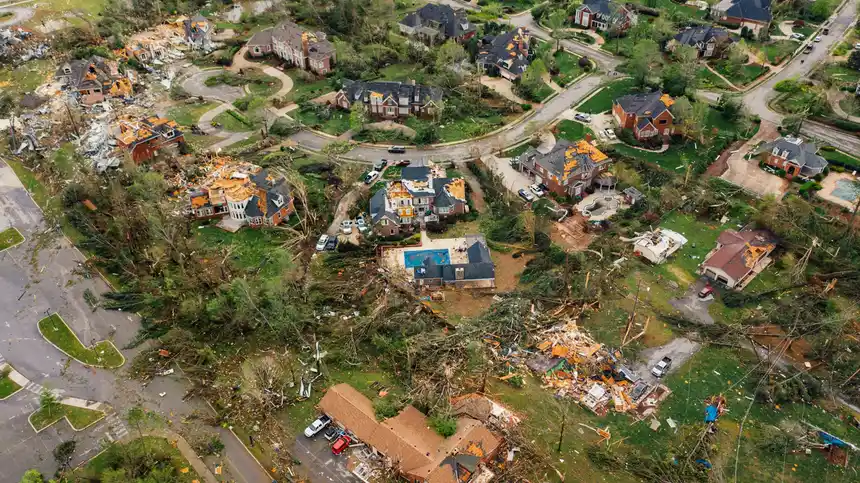
Our garage flat roof was leaking for months. Two other roofers told us we needed a full replacement. These guys found a flashing failure and fixed it for under $800. That was three years ago and it is still dry. They could have sold us a new roof and we would not have known the difference.
We have a flat roof on our retail building that was ponding water after every storm. They installed a new TPO system with proper drainage and the ponding is gone. The crew was professional, cleaned up every day, and finished in four days. Our tenants never had a disruption.
After the last nor'easter, we had a leak in our addition. They came out the same day, tarped the roof, and came back two days later to do the repair. The price was fair and they showed us photos of the damage before and after. No surprises.
Most flat roof replacements in Freeport run $8,000 to $18,000 for a typical home or garage, depending on square footage, membrane type, and whether we need to replace the deck. Repairs usually cost $500 to $2,500. TPO and EPDM are on the lower end; PVC and modified bitumen run higher. We give you a written estimate the same day so you know the exact number before we start.
A properly installed TPO or EPDM roof lasts 20 to 30 years in this climate. Modified bitumen typically gives you 15 to 20 years. The salt air and freeze-thaw cycles on the South Shore are hard on roofs, so maintenance matters. If you get an inspection every two years and keep the drains clear, you will get the full life out of the system.
We do. Roof Repaire Freeport has been installing flat roofs since 2005. We are GAF Master Elite and Owens Corning Preferred Contractor certified, and we install Firestone and Carlisle SynTec membrane systems. Our crews are OSHA 10 and OSHA 30 trained. We handle permits, tear-off, installation, and cleanup. You get one point of contact from estimate to final walkthrough.
Yes, when they are installed correctly. Flat roofs handle coastal wind well because there are no shingles to lift. The key is proper drainage and sealed seams. We install systems with the right pitch, adequate drains, and membrane that resists UV and salt air. A flat roof that ponds water or has open seams will fail early, but a correctly installed system lasts decades here.
Not seeing your question? Our local team can help you understand urgency, scheduling and what to expect.
Ask the local team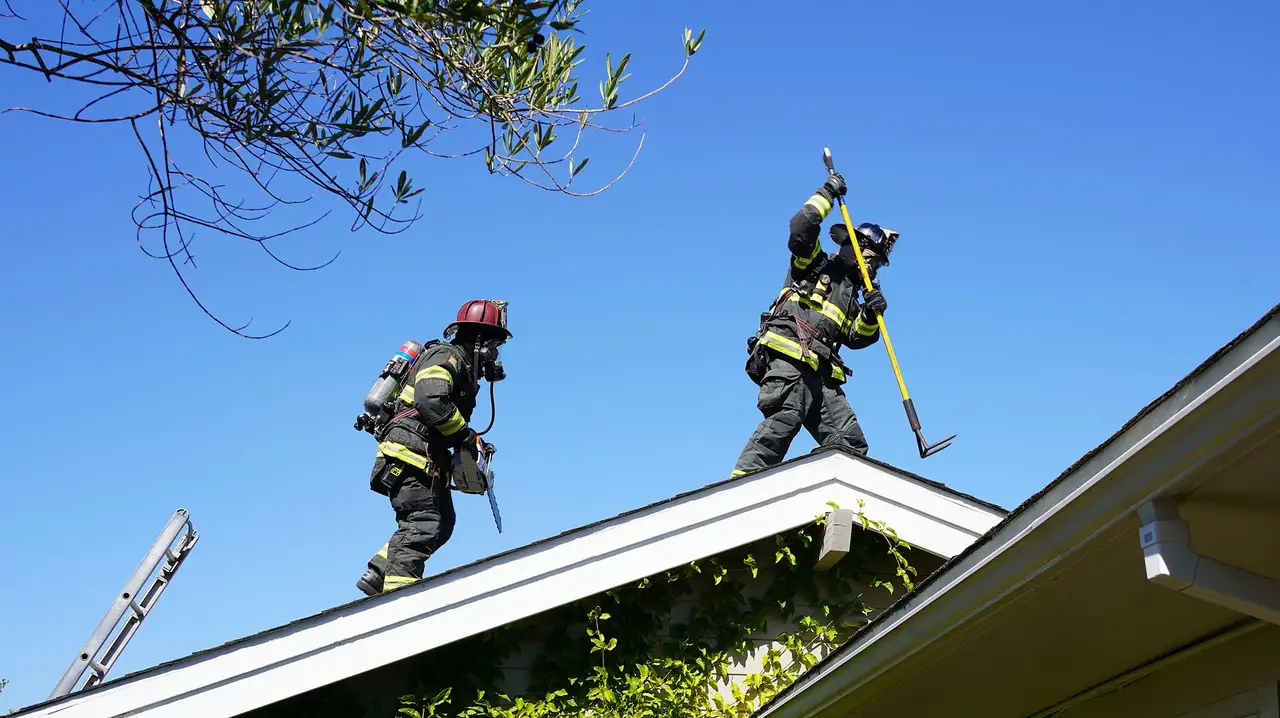
New roof installation for homes and commercial buildings in Freeport. We handle decking, underlayment, and membrane selection so the system performs from day one.
View service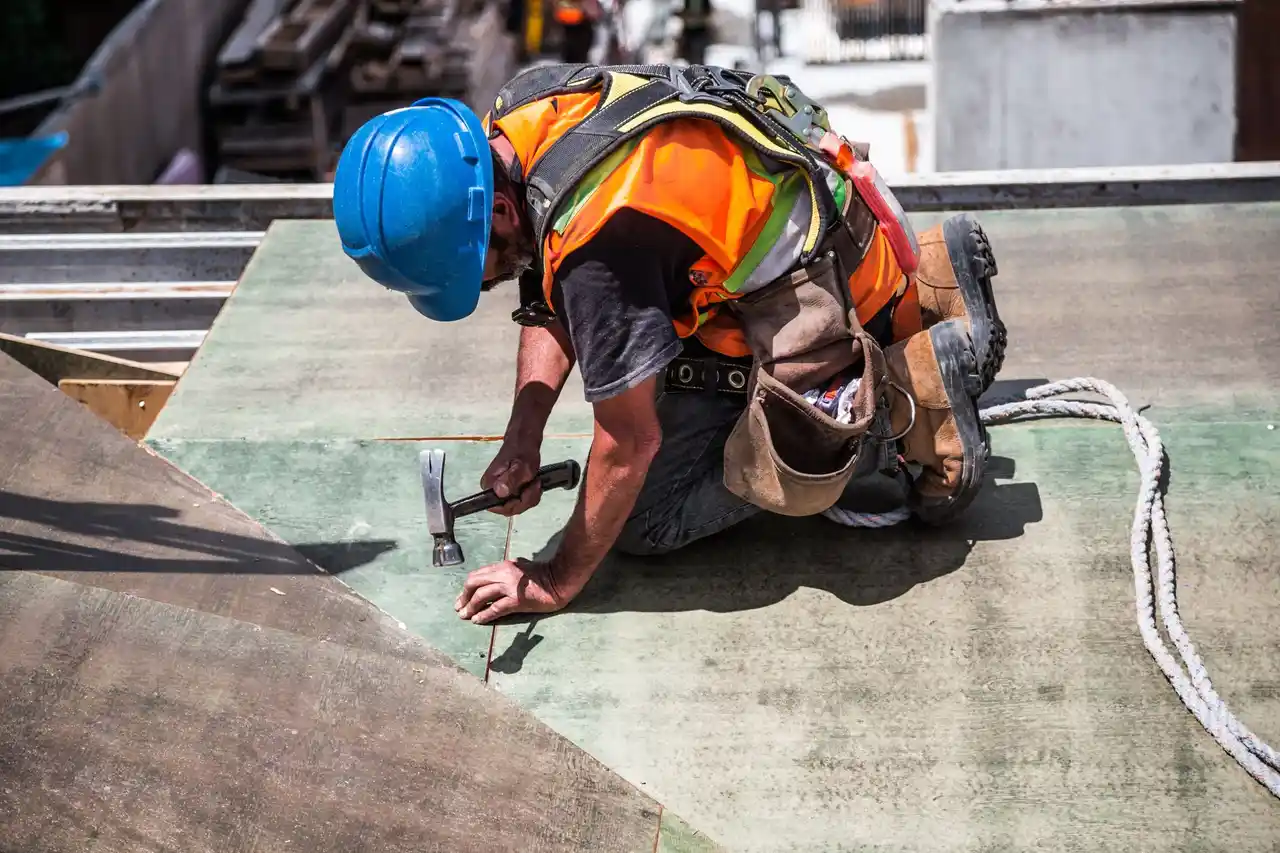
Full tear-off and replacement when your existing roof is beyond repair. We remove old material, fix decking, and install a new system built for South Shore weather.
View service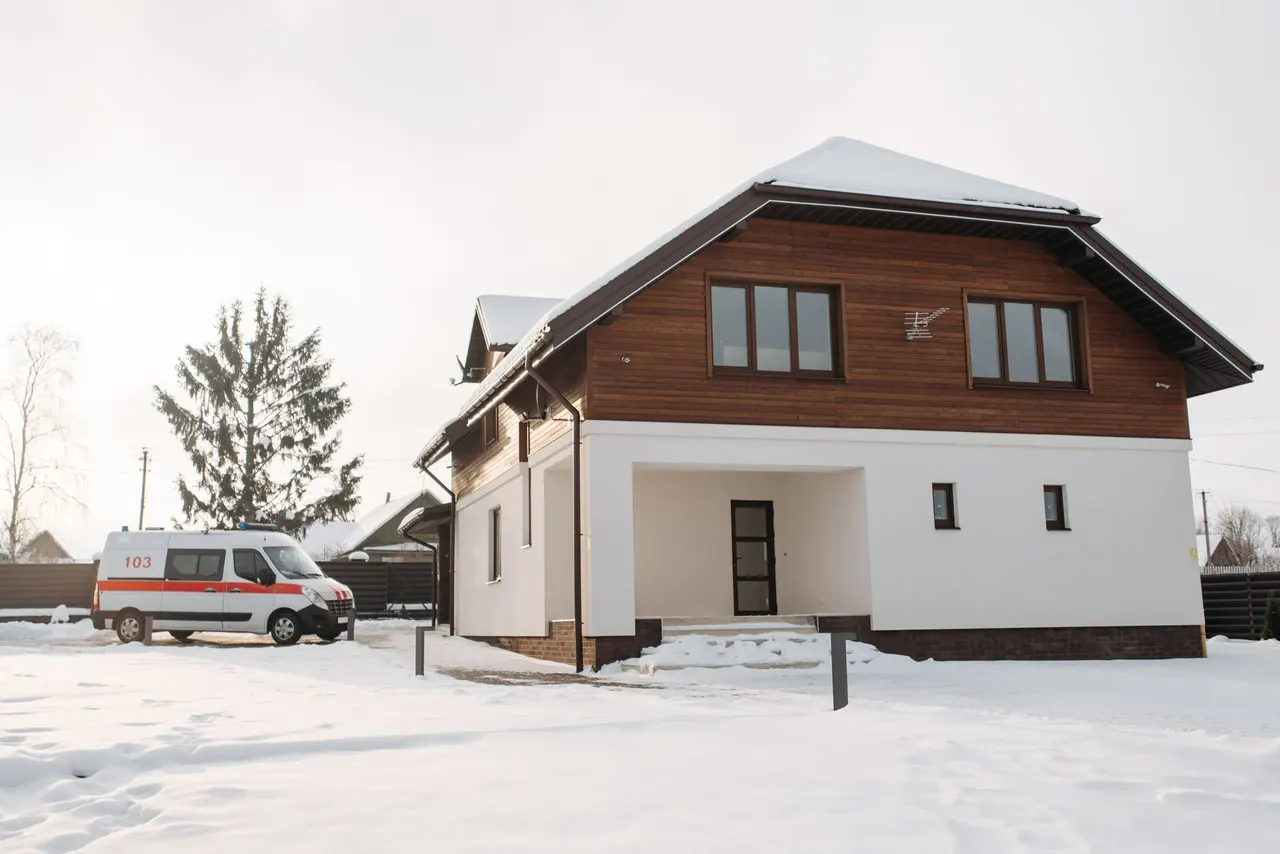
Targeted repairs for leaks, flashing failure, and storm damage. We find the source, fix it correctly, and test the repair before we leave your property.
View service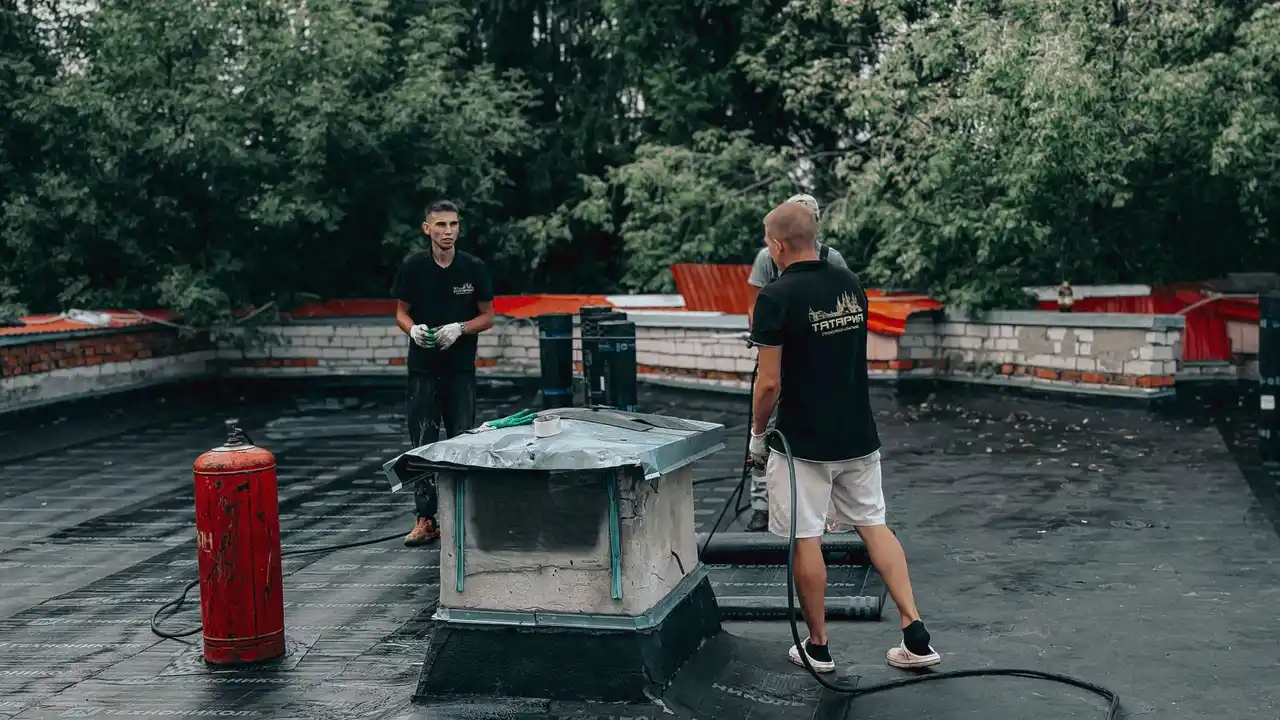
Full roof inspections for real estate transactions, insurance claims, or annual maintenance. We document everything with photos and a written report.
View serviceCall 342425679 or email us and we will get back to you the same business day. For active leaks and storm damage, we answer around the clock. We serve Freeport and the surrounding Nassau County communities, and we can usually schedule an inspection within a few days.